Shifting Ambient Noise Levels and Their Role in Altering Bet Sizing Choices Within Portable Electronic Card Simulations
Written by Paul Schmid · Aug 24, 2026
Shifting Ambient Noise Levels and Their Role in Altering Bet Sizing Choices Within Portable Electronic Card Simulations
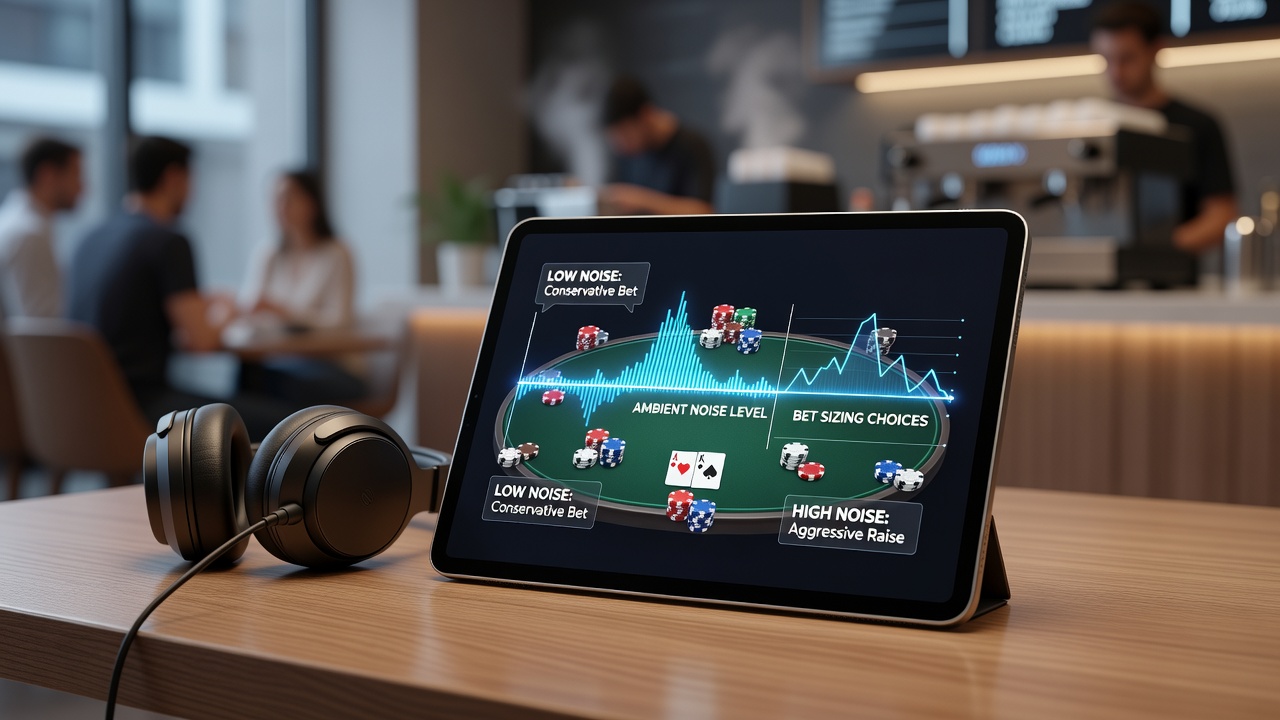
Portable electronic card simulations have expanded rapidly across global markets since the early 2020s, and researchers have documented how environmental factors such as ambient noise influence player decisions during sessions; data from multiple academic investigations show that fluctuations in background sound levels correlate with measurable changes in bet sizing patterns among users of smartphone-based poker and blackjack applications.
Studies conducted in urban settings reveal that noise levels rising above 65 decibels often prompt users to increase wager amounts more frequently, whereas quieter conditions below 50 decibels tend to stabilize or reduce bet sizes across extended play periods. These patterns emerge consistently in controlled experiments where participants engage with simulated card games on portable devices while exposed to recorded ambient sounds from public spaces including cafes, transit hubs, and residential areas.
Research Findings on Noise and Decision Patterns
Investigators at institutions tracking digital gaming behaviors have compiled datasets from thousands of sessions logged in August 2026, and the figures indicate that users in environments with variable noise exposure adjust their betting strategies at higher rates than those in stable acoustic conditions. One analysis of anonymized gameplay records found correlations between sudden noise spikes and immediate increases in average bet sizes by 12 to 18 percent within the following three hands or rounds.
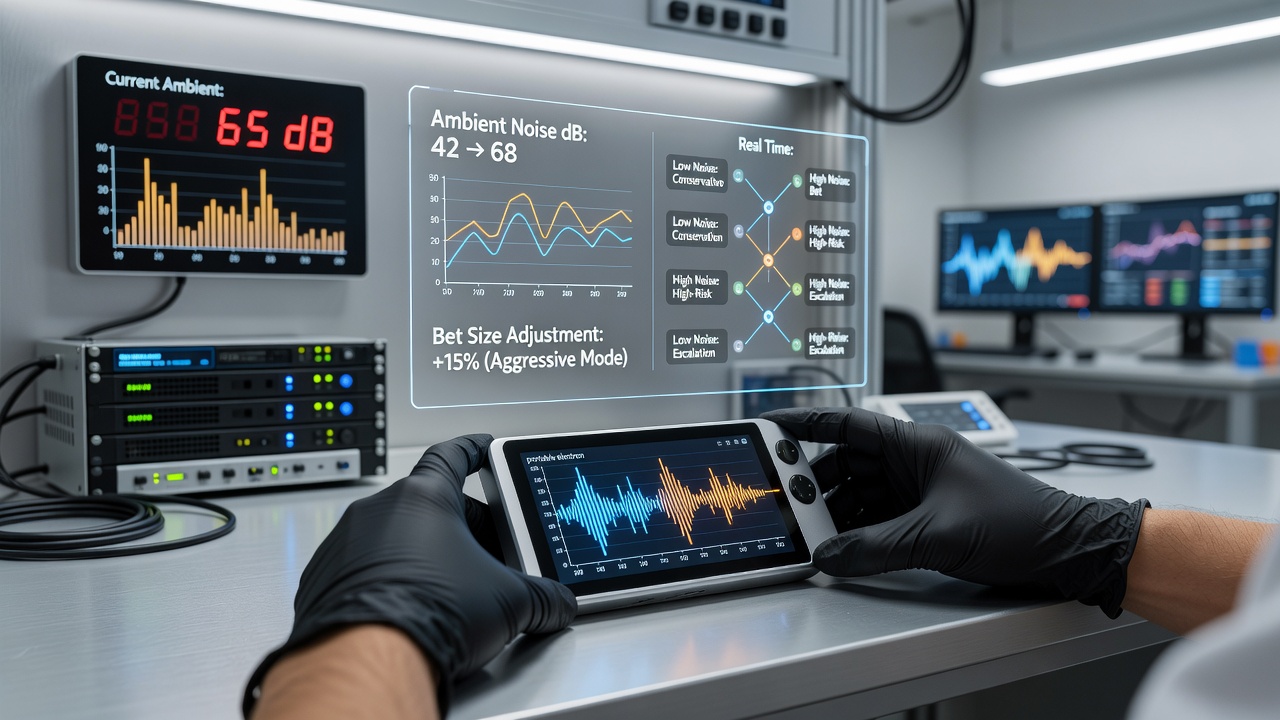
Those who've examined the data note that the effect appears across different age groups and experience levels, although the magnitude varies by individual factors such as prior session duration and device settings. Researchers employed wearable sensors to measure real-time sound pressure levels alongside app telemetry, which allowed them to isolate noise as a variable separate from other influences like time of day or network latency.
Geographic and Device-Specific Observations
Observations from North American and European markets demonstrate similar trends, while data collected in Asia-Pacific regions show slightly amplified responses to noise changes during peak commuting hours. Portable devices equipped with active noise cancellation features appear to moderate these effects, according to reports compiled by gaming technology associations in multiple jurisdictions.
Users often keep their devices in silent mode during sessions, yet the surrounding acoustic environment still registers through direct exposure rather than through device speakers or headphones. This distinction matters because simulations running on tablets or phones placed on tables in noisy venues capture different decision sequences compared with sessions conducted in controlled home environments.
Mechanisms and Measurement Approaches
Experimental designs have incorporated both laboratory simulations and field studies where participants carry devices through everyday locations, adn the resulting telemetry shows that gradual noise increases lead to more conservative sizing adjustments while abrupt changes trigger larger swings. Software developers have begun incorporating optional environmental sound monitoring features into card simulation apps, although adoption rates remain low according to industry tracking surveys conducted through 2026.
Regulatory bodies in Canada and Australia have referenced related behavioral research when evaluating responsible gaming tools, and these agencies note that external environmental variables fall outside direct platform controls yet still affect user patterns. Academic papers published in peer-reviewed journals detail statistical models that account for noise alongside other variables such as session length and prior outcomes, confirming independent associations between sound levels and betting adjustments.
Implications for Platform Design and User Tools
Platform operators have explored interface modifications that display environmental context indicators, and preliminary tests indicate these additions can help users recognize when external conditions coincide with altered decision sequences. Data from pilot programs released by research consortia show modest reductions in variance of bet sizing when participants receive real-time feedback about surrounding noise conditions.
Further investigations continue into whether adaptive algorithms within the simulations themselves can account for detected ambient factors through device microphone access, although privacy regulations limit widespread implementation across regions. Those tracking longitudinal trends expect continued refinement of these measurement techniques as more detailed datasets become available from ongoing field studies.
Conclusion
Evidence gathered through multiple methodologies demonstrates consistent links between shifting ambient noise levels and modifications in bet sizing during portable electronic card simulations, and these connections hold across diverse user populations and geographic settings. Continued monitoring and expanded research will provide additional clarity on the precise thresholds and durations involved in these environmental influences.