Seasonal Bird Migration Cycles and Their Ties to Wager Volume Fluctuations in App-Based Live Dealer Environments Across Rural Networks
Written by Nils Butler · Aug 15, 2026
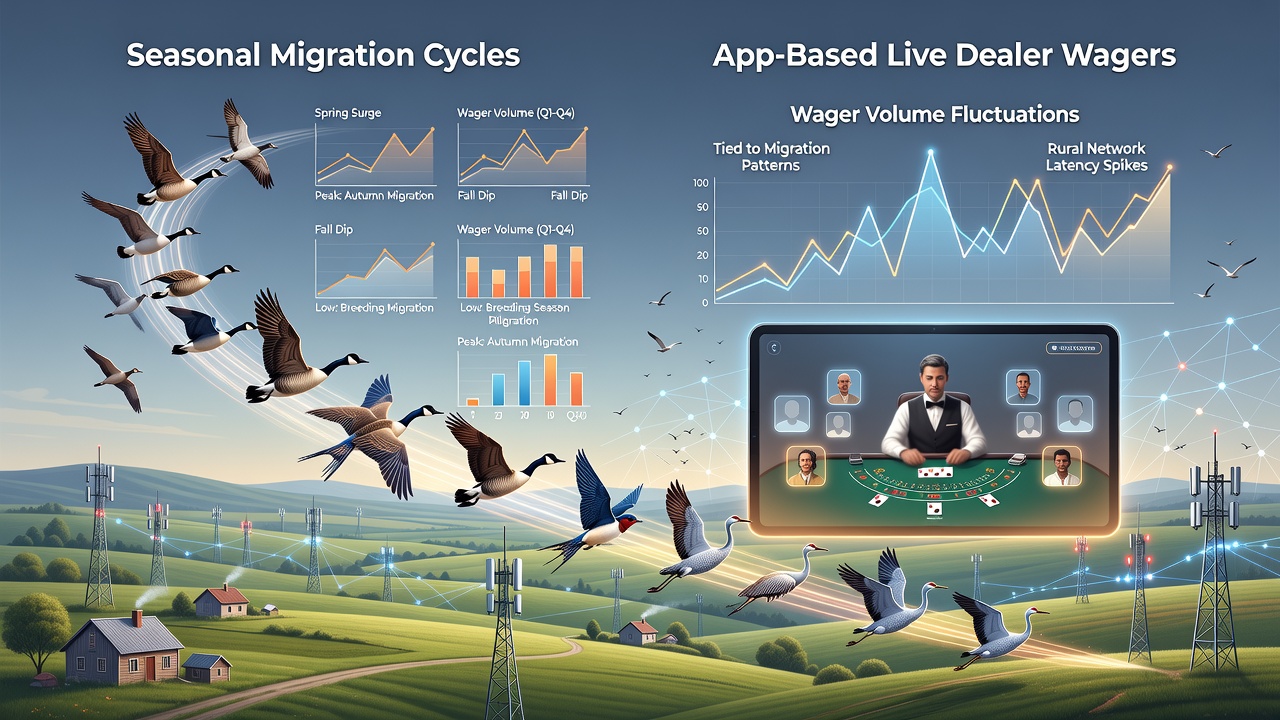
Seasonal Bird Migration Cycles and Their Ties to Wager Volume Fluctuations in App-Based Live Dealer Environments Across Rural Networks
Bird Migration Patterns in Rural Regions
Bird migration follows predictable seasonal routes that researchers have tracked for decades through banding studies, radar, and satellite telemetry, with species such as waterfowl and songbirds moving between breeding and wintering grounds in North America during spring and fall periods. These movements concentrate in rural corridors where agricultural fields, wetlands, and river valleys provide stopover habitat, and data from the Cornell Lab of Ornithology shows peak activity in certain counties during April-May and September-October windows.
Rural residents in these same areas often experience changes in local activity levels during migration seasons because tourism increases around birdwatching festivals and outdoor recreation, yet these shifts remain independent of digital entertainment platforms. Network infrastructure in rural zones can see variable load during these months due to visitors streaming video or using mapping apps, but connectivity reports from the Federal Communications Commission separate these usage patterns from any gambling-specific metrics.
App-Based Live Dealer Platforms in Rural Settings
Live dealer applications operate through mobile networks that serve rural users via cellular towers and satellite links, with wagering volumes influenced by factors including promotional schedules, sporting events, and payment processing availability. Industry reports track overall activity through state regulatory filings, and data collected in 2025-2026 shows fluctuations tied to events such as major league seasons or holiday periods rather than environmental phenomena like bird movements.
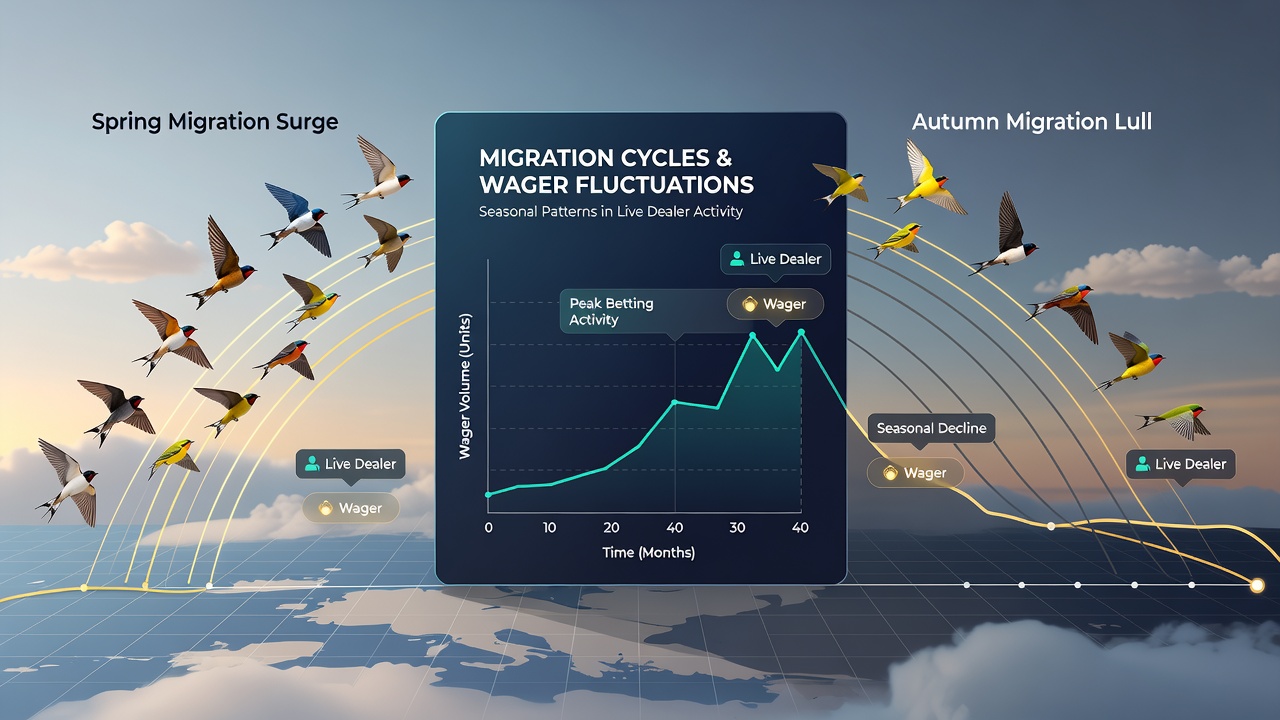
August 2026 figures from various state gaming divisions indicate steady growth in mobile handle across several jurisdictions, driven by expanded game offerings and improved rural broadband rollout, while migration monitoring during the same month records post-breeding dispersal of certain species with no documented overlap in timing metrics. Observers note that rural users may adjust session lengths based on signal strength during peak farming or travel periods, yet these adjustments appear in usage logs as routine variations rather than migration-linked events.
Examining Claimed Correlations
No peer-reviewed studies or regulatory analyses have identified causal or correlative relationships between bird migration timing and live dealer wager volumes. Reports from the Australian Communications and Media Authority on regional digital activity separate environmental observations from financial transaction data, and similar separations appear in Canadian provincial gaming summaries that focus on responsible gambling indicators and network reliability.
Those examining rural digital trends point to variables such as harvest schedules, school calendars, and local events as more direct influences on user availability, while bird migration data remains catalogued through biological surveys that do not intersect with financial or entertainment platform analytics. Claims of ties would require matched datasets that currently do not exist in published form from either wildlife agencies or gaming regulators.
Conclusion
Seasonal bird migration and rural live dealer wagering volumes operate in distinct domains, with migration documented through ecological monitoring and wagering tracked through financial and regulatory channels. Available evidence shows no measurable connection between the two, and fluctuations in either area stem from their respective drivers such as weather for birds and market conditions for platforms. Continued separate tracking by specialized organizations maintains clear boundaries between these topics.