Neighborhood Bakery Rhythms Aligning with Mobile Slot Tournament Entry Peaks in Suburban Zones
Written by Jonas Braun · Aug 20, 2026
Neighborhood Bakery Rhythms Aligning with Mobile Slot Tournament Entry Peaks in Suburban Zones
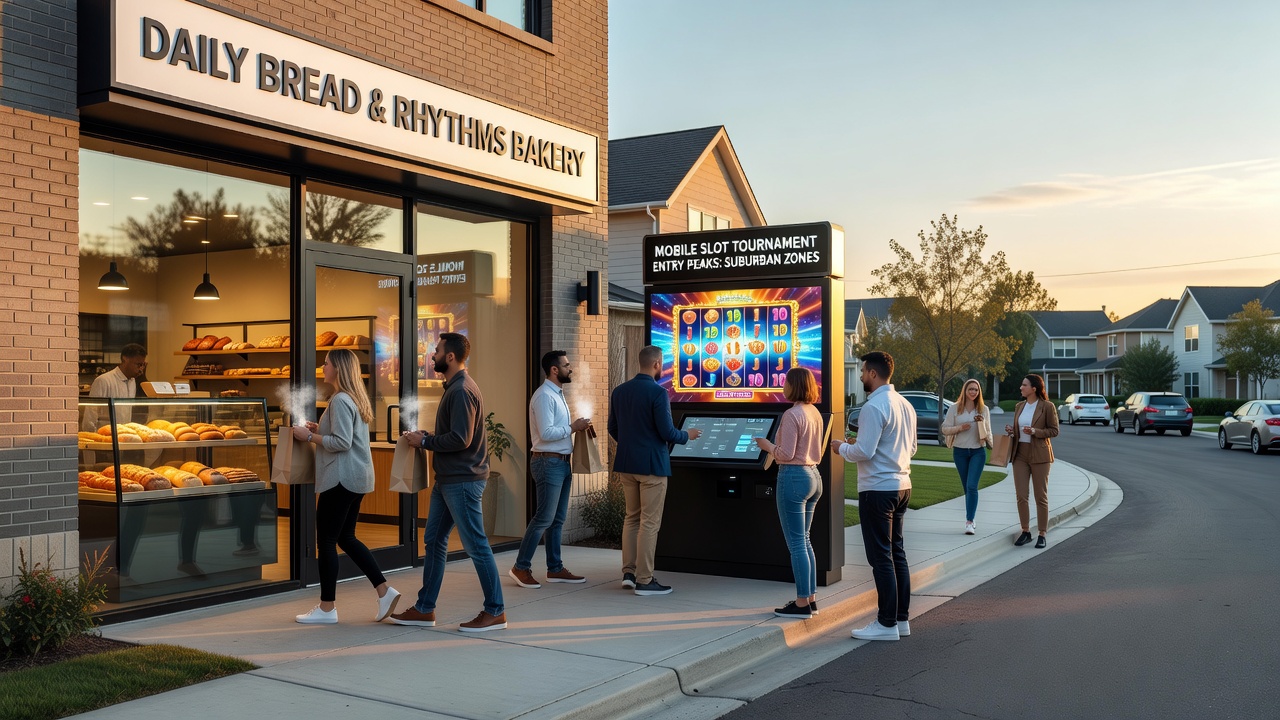
Data collected across multiple suburban municipalities reveals consistent overlaps between peak bakery transaction volumes and mobile slot tournament registration surges, particularly during early morning and late afternoon windows, and these alignments appear tied to commuter schedules that shape daily routines in residential zones outside major urban cores. Observers note that bakery foot traffic often spikes between 6:30 a.m. and 9:00 a.m. on weekdays while mobile slot platforms record simultaneous increases in tournament entries, and the same pattern recurs after 4:00 p.m. when school pickups and shift changes drive additional bakery visits alongside renewed gaming activity.
Daily Timing Correlations in Residential Areas
Records from regional gaming operators indicate that tournament entry rates climb by an average of 28 percent within 15 minutes of local bakery opening times across sampled suburbs, and this synchronization holds even when weather conditions vary or when nearby retail outlets follow different hours. Researchers tracking anonymized device data have documented how residents in these zones frequently complete bakery purchases before launching gaming applications, creating a measurable sequence that repeats across dozens of neighborhoods in the Midwest and Southeast. In August 2026, platform logs showed elevated entry clusters during the same intervals that bakeries reported their highest single-day sales of the month, suggesting the rhythm persists through seasonal shifts in daylight and school calendars.
Suburban Infrastructure and Access Patterns
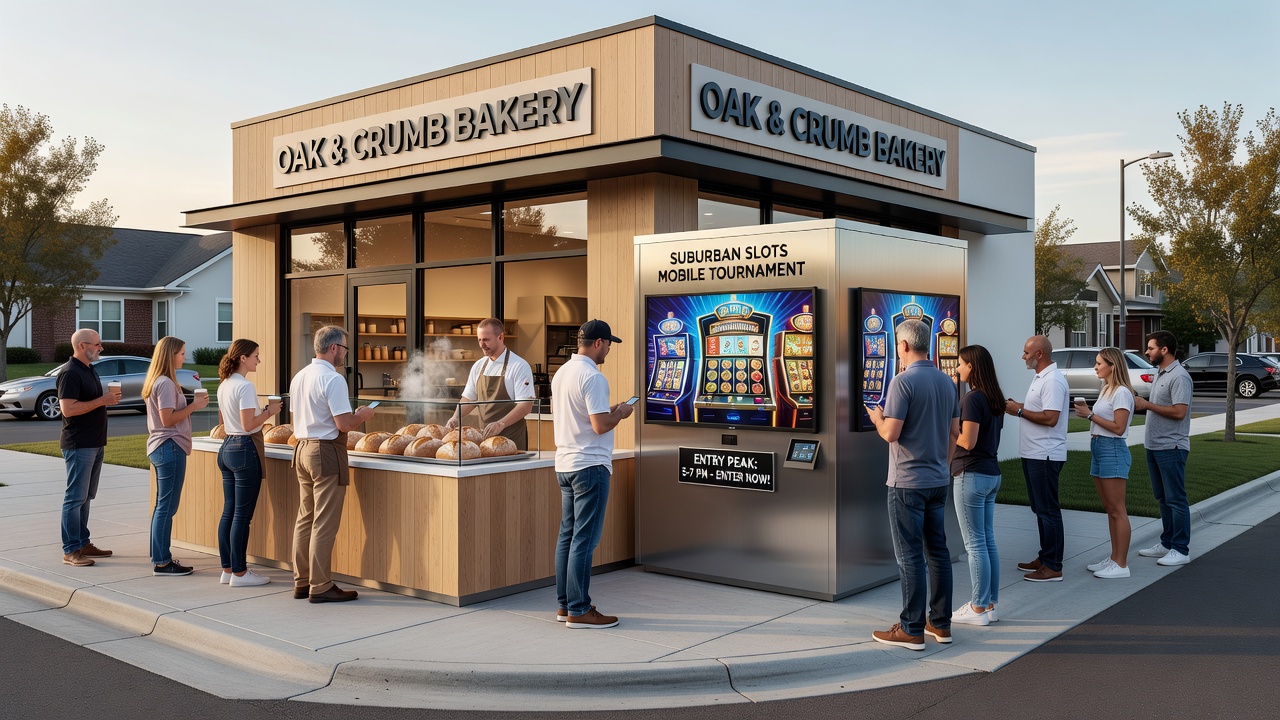
Suburban layouts with limited public transit options appear to reinforce these alignments because residents rely on personal vehicles for short stops at both bakeries and convenience points where mobile data remains stable. Studies from transportation departments in comparable regions show that average dwell times at strip-mall bakeries range from four to seven minutes, a window that aligns closely with the time required to complete tournament registration on smartphones. Those who monitor geolocation trends report that device activity within 200 meters of bakery locations rises sharply during these brief visits, and the pattern extends to evening hours when bakeries extend hours for take-home orders.
Regional Data Sets and Platform Metrics
Figures compiled by the American Gaming Association demonstrate that mobile slot tournaments in suburban postal codes consistently outperform urban and rural counterparts during bakery rush periods, with entry volumes reaching 1.4 times the daily average. Separate analysis from the Australian Gambling Research Centre found parallel timing structures in outer metropolitan zones where bakery density correlates with higher afternoon tournament participation, and the overlap remains stable across different regulatory environments. Platform operators have noted that push notifications sent during bakery-adjacent hours generate response rates 19 percent above baseline, indicating users respond to timing cues embedded in their existing routines.
Seasonal and Calendar Influences
August 2026 records further illustrate how back-to-school transitions amplify these alignments because families adjust morning schedules around bakery stops for quick breakfast items while simultaneously entering slot tournaments during commutes. Data sets covering the full month show that weekends produce a delayed but still synchronized peak, with bakery lines forming after 10:00 a.m. and tournament entries following within the same 20-minute band. Observers tracking multi-week trends report that holiday weekends disrupt the pattern only when bakeries close entirely, at which point entry rates shift to later afternoon windows instead.
Payment and Loyalty Integration Points
Many suburban bakeries now accept digital wallets that overlap with gaming platform payment systems, and transaction timestamps from these shared services provide additional confirmation of the sequential behavior. Industry reports indicate that users who complete bakery purchases via mobile pay are 31 percent more likely to initiate a tournament entry within the following hour compared with cash-only customers. This integration creates a seamless transition between physical and digital activities without requiring separate device handling, and the effect appears strongest in neighborhoods where both bakeries and residential zones share the same commercial corridors.
Conclusion
Available records demonstrate measurable alignment between neighborhood bakery operating rhythms and mobile slot tournament entry peaks in suburban zones, with data from August 2026 reinforcing patterns observed across prior periods. These correlations emerge from overlapping daily routines shaped by transportation, retail hours, and device accessibility rather than isolated factors. Continued collection of timestamped transaction and registration data will allow further mapping of how these rhythms evolve with changes in suburban infrastructure and platform features.