Malik Beasley Pleads Not Guilty in Federal Betting Scheme Case Involving Fraud, Bribery, and Money Laundering
Written by Parker Braun · Jul 2, 2026

Malik Beasley Pleads Not Guilty in Federal Betting Scheme Case Involving Fraud, Bribery, and Money Laundering
Former NBA guard Malik Beasley entered a not guilty plea to federal charges that include fraud, bribery, and money laundering connected to an alleged betting scheme, and this development occurred amid intensified examination of athlete participation in gambling activities across the expanding U.S. sports betting market in July 2026. Court records indicate the charges stem from activities that allegedly involved manipulation of betting outcomes along with financial transactions designed to conceal proceeds, while the case continues to draw attention from regulators and league officials who monitor player conduct in relation to legalized wagering platforms.
Details of the Federal Charges
The indictment outlines accusations that Beasley participated in a network where bribes facilitated the placement of wagers on games, and prosecutors claim these actions violated federal statutes governing interstate commerce and financial integrity, with money laundering charges arising from the alleged movement of funds through various accounts to obscure their origins. According to filings referenced in public dockets, the scheme purportedly operated over several months, and evidence presented includes communications and transaction records that federal authorities gathered during their investigation. Beasley's legal team has signaled plans to contest these allegations vigorously in upcoming proceedings, and the not guilty plea sets the stage for pretrial motions that could shape the direction of the litigation.
Context Within Athlete Gambling Scrutiny
Observers note that this case arrives at a time when sports leagues and regulatory bodies have increased oversight of gambling-related conduct among current and former players, and data from industry reports show a rise in partnerships between betting operators and professional organizations that require strict compliance protocols. The American Gaming Association has documented how player education programs on betting rules have expanded since the Supreme Court decision that enabled state-level legalization, yet cases like this one illustrate the persistent challenges in enforcing those boundaries. Experts have observed patterns where financial incentives in prediction markets and prop bets create potential conflicts, and authorities continue to examine how such dynamics intersect with existing anti-bribery statutes.
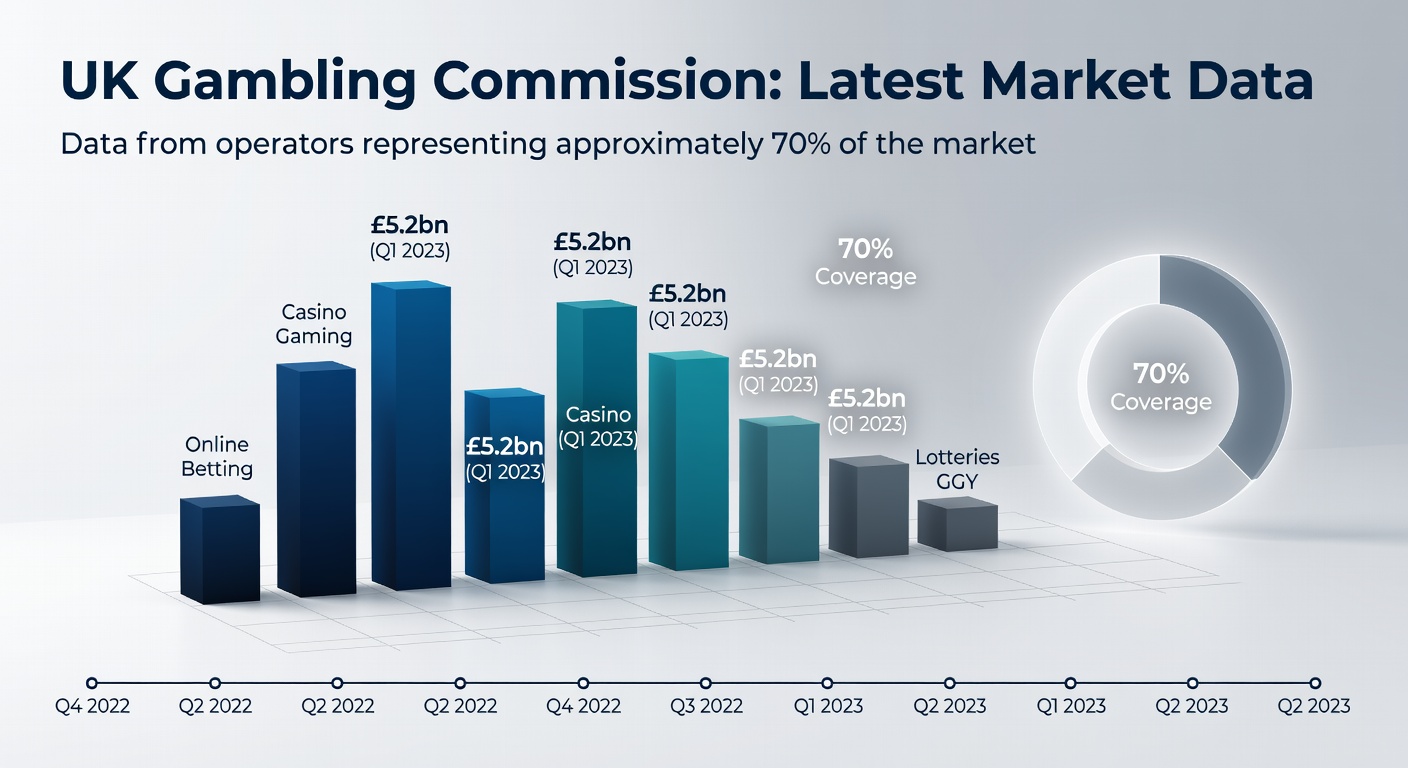
Broader developments in 2026 include regulatory actions focused on prediction markets and player endorsement agreements, and these initiatives reflect efforts by state gaming commissions along with federal agencies to balance industry growth against integrity concerns. One study from a university research center highlighted correlations between increased betting volume and instances of athlete-related inquiries, while figures reveal that several jurisdictions have updated disclosure requirements for individuals with ties to professional sports. Those who've tracked these trends point out that partnerships between leagues and operators now incorporate real-time monitoring tools, and such measures aim to detect irregularities before they escalate into formal investigations.
Procedural Next Steps and Industry Ripple Effects
Federal court calendars show the case is scheduled for additional hearings later in the summer, and both sides are expected to engage in discovery processes that will involve examination of financial records and witness statements. Legal analysts indicate that outcomes in similar matters have influenced how teams structure their internal compliance training, and this particular proceeding could prompt further discussions among player associations regarding representation in betting-related disputes. Meanwhile, the sports betting sector continues to evolve with new frameworks for event contracts, and reports from regulatory bodies in multiple states document adjustments to licensing standards that address athlete involvement directly.
Industry organizations have compiled data indicating steady expansion in mobile wagering platforms, and these platforms operate under rules that prohibit active participants from betting on their own leagues. The case against Beasley underscores enforcement priorities in this environment, and authorities maintain that investigations target networks rather than isolated incidents to disrupt larger patterns of alleged misconduct. What's significant is how such legal actions coincide with advancements in prediction market oversight, where agencies evaluate contracts on a case-by-case basis to prevent manipulation risks.
Conclusion
This single proceeding involving Malik Beasley provides a focal point for understanding the intersection of athlete conduct and the regulated betting landscape, and ongoing developments will likely inform future policies as the industry matures through 2026. Public records and official statements continue to shape available information, while stakeholders across leagues, regulators, and operators monitor proceedings for guidance on maintaining competitive standards. The emphasis remains on factual adherence to legal processes, and additional updates will emerge as the case progresses through the federal system.