Linking Heart Rate Variability Metrics to Wagering Adjustments in Real-Time Digital Gaming Sessions Across Multiple Platforms
Written by Jonas Braun · Aug 6, 2026

Linking Heart Rate Variability Metrics to Wagering Adjustments in Real-Time Digital Gaming Sessions Across Multiple Platforms
Heart rate variability metrics track fluctuations in time between heartbeats and these measurements connect directly to decision patterns during live wagering on digital platforms where users adjust bet sizes based on physiological signals captured through wearable devices and integrated sensors. Research indicates that lower HRV levels often align with more cautious stake placements while higher variability corresponds to increased risk tolerance in sessions spanning mobile apps and desktop interfaces as of August 2026.
Platforms collect continuous data streams from fitness trackers and smartwatches during gameplay and algorithms process these inputs alongside session metrics such as win rates and time spent on individual games. Observers note that developers across North America and Europe have begun embedding these biometric feeds into real-time adjustment systems that prompt automatic or suggested changes to wager amounts when HRV drops below established thresholds.
Platform Integration of Biometric Data Streams
Multiple operating systems support HRV monitoring through standardized APIs that pull information from devices like Apple Watch and Fitbit during active gaming periods and this setup allows cross-platform consistency whether a user switches from a smartphone session to a tablet or desktop environment. Data shows that sessions lasting over thirty minutes produce more pronounced correlations between HRV shifts and subsequent betting modifications because sustained play amplifies autonomic responses tied to wins and losses.
Engineers at various software providers have designed modules that flag specific HRV patterns such as reduced standard deviation of normal-to-normal intervals and these flags trigger interface prompts suggesting smaller bets or brief pauses. Studies from academic centers in Canada reveal that users who enable biometric tracking complete wagering adjustments up to twenty percent faster than those relying solely on manual controls during high-volume periods.
Cross-Platform Patterns Observed in 2026
August 2026 reports from regulatory bodies including the Nevada Gaming Control Board highlight expanded testing of HRV-linked systems in licensed digital environments where operators track how variability metrics influence parlay and single-bet decisions across sports and casino-style offerings. One analysis found that mobile users exhibited stronger links between HRV drops and reduced wager frequency compared with desktop participants who maintained steadier patterns even during variability spikes.
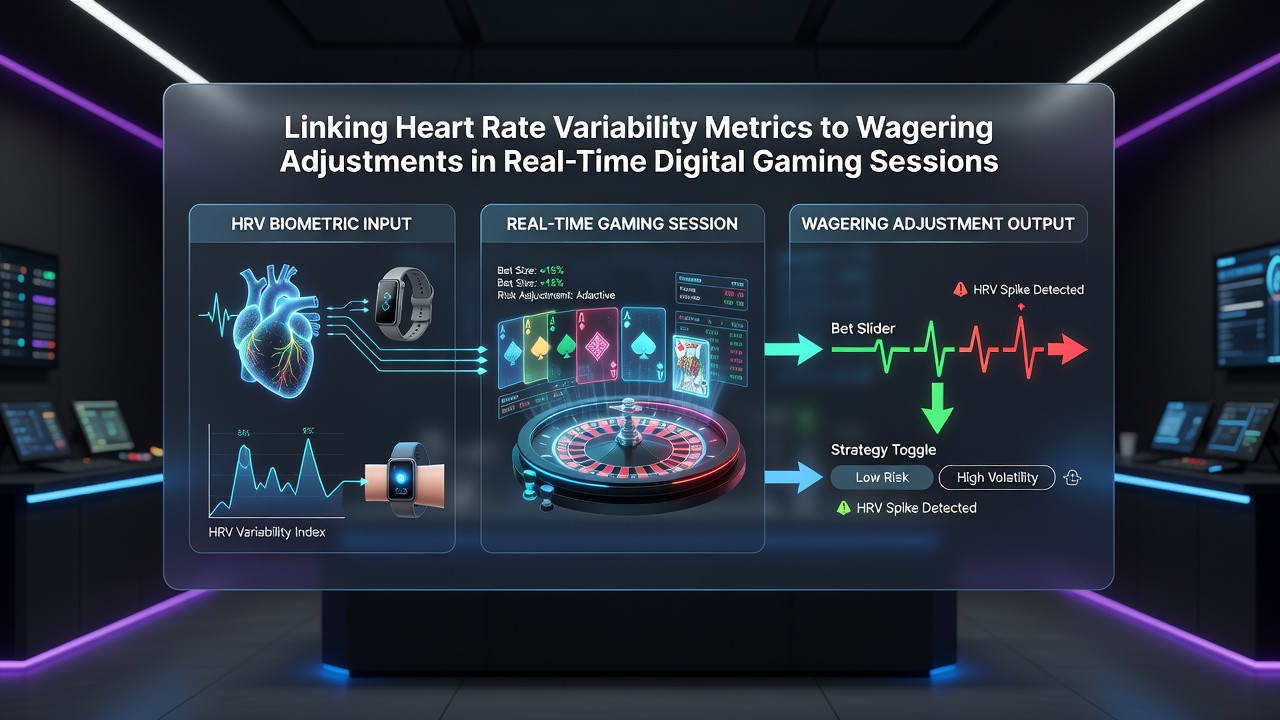
Researchers at institutions such as the National Institutes of Health have documented how stress indicators captured through HRV feed into behavioral models that predict when players might escalate or de-escalate stakes and these models now inform platform updates rolled out simultaneously on iOS, Android, and Windows ecosystems. What's interesting is that VR-integrated sessions demonstrate even tighter coupling because immersive environments heighten physiological responses recorded during rapid sequence betting rounds.
Technical Mechanisms Driving Real-Time Adjustments
Algorithms process HRV data in sub-second intervals and combine it with historical user profiles to generate personalized wagering suggestions that appear as overlay notifications or automatic limit adjustments depending on operator settings. Evidence suggests that platforms using multi-device synchronization maintain accuracy rates above ninety percent when mapping variability changes to actual bet modifications across simultaneous logins on different hardware.
Security protocols encrypt all biometric transmissions and comply with data protection standards set by regional authorities while still allowing seamless transfer of metrics when users migrate between platforms mid-session. Those who have examined deployment logs note that August 2026 updates introduced improved calibration tools that reduce false positives in HRV detection during periods of physical movement unrelated to gameplay excitement.
Regional Variations in Adoption and Measurement
European operators following guidelines from the European Gaming and Betting Association have incorporated HRV features more gradually than North American counterparts yet achieve comparable results once systems stabilize. Australian research groups report similar outcomes in trials involving live dealer formats where HRV thresholds prompt wager recalibrations that align with responsible play protocols already embedded in software.
Cross-border data sharing remains limited because privacy rules differ yet aggregated anonymized datasets reveal consistent directional trends linking variability metrics to betting behavior regardless of geographic location. Observers note that emerging markets in Asia are testing localized versions that account for cultural differences in session length and preferred game types.
Conclusion
Integration of heart rate variability metrics into real-time wagering systems continues to expand across digital platforms as operators refine algorithms that translate physiological signals into actionable adjustments. Data collected through 2026 demonstrates measurable connections between HRV patterns and bet modifications that hold steady whether users engage via mobile, desktop, or emerging VR interfaces. Continued development in sensor accuracy and cross-platform compatibility supports further refinement of these tools while maintaining compliance with evolving regulatory frameworks worldwide.