How Economic Policy Shifts Reshape Funding Preferences Among Reel Game and Live Table Enthusiasts Across Regulated Markets
Written by Jonas Braun · Aug 27, 2026
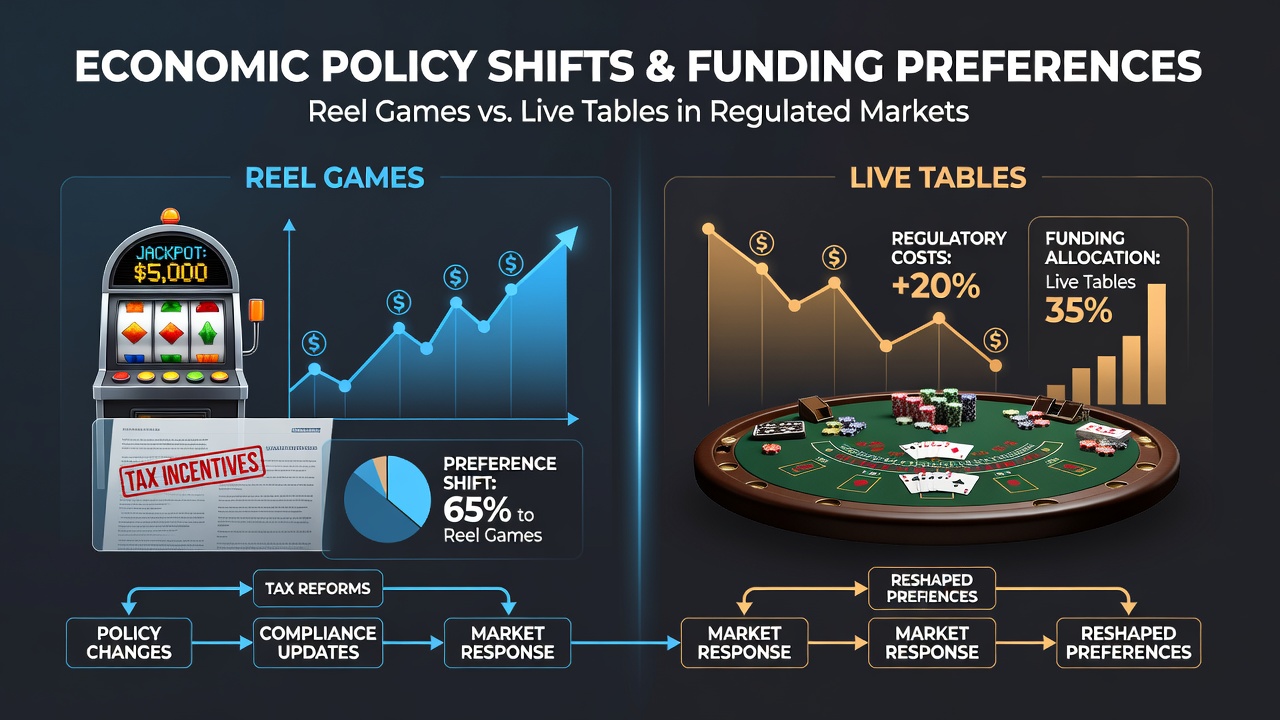
How Economic Policy Shifts Reshape Funding Preferences Among Reel Game and Live Table Enthusiasts Across Regulated Markets
Data from mid-2026 indicates that adjustments in interest rates and tax structures have altered how participants allocate funds between reel-based games and live table formats in licensed jurisdictions, with patterns emerging across North America, Europe, and parts of Asia-Pacific. Central bank decisions on borrowing costs directly influence disposable income levels, which in turn guide whether enthusiasts direct resources toward high-frequency reel sessions or structured live dealer experiences. Figures released in August 2026 from various regulatory filings show measurable shifts in deposit volumes and session durations tied to these macroeconomic moves.
Monetary Policy Effects on Player Allocations
Rate hikes implemented by major central banks since late 2025 have tightened consumer credit access in several markets, prompting enthusiasts to favor formats that allow smaller, more frequent wagers such as reel games over extended live table commitments that often require larger buy-ins. Research compiled by the Australian Institute of Gambling Research tracks these changes through aggregated transaction data, revealing that reel activity held steady while live table participation adjusted downward in regions experiencing prolonged high rates. Observers note that participants in regulated environments respond by reallocating budgets toward games with lower minimum thresholds when liquidity tightens, creating measurable differences in average session values between the two categories.
Currency stabilization measures introduced in select Asian markets during the first half of 2026 further modified these preferences, as stronger local exchange rates reduced the relative cost of cross-border platform deposits. Those tracking transaction flows report increased reel engagement in jurisdictions where policy supported currency strength, whereas live table volumes remained more sensitive to any residual volatility. Data indicates these adjustments occur gradually, with participants testing new funding patterns over multiple months before settling into revised routines.
Fiscal Adjustments and Regional Funding Patterns
Tax policy revisions across regulated markets have produced distinct effects on how funds flow into different game types. In several U.S. states that expanded online offerings, changes to gaming tax brackets implemented in early 2026 coincided with shifts toward reel formats among users monitoring take-home pay after withholdings. European jurisdictions applying updated value-added tax rules on digital entertainment recorded parallel movements, with live table activity showing greater responsiveness to the timing of fiscal announcements. Canadian provincial data compiled through 2026 demonstrates that participants adjusted deposit sizes adn frequency when tax relief measures took effect, often directing incremental resources toward whichever format aligned with updated net income expectations.
These fiscal shifts interact with existing regulatory caps on bonuses and promotions, further channeling preferences. Markets that maintained stable tax environments while neighboring regions altered rates experienced cross-border movement of activity toward the more predictable jurisdiction, according to aggregated settlement records. Enthusiasts in such areas demonstrated consistent patterns of reallocating funds between reel and live options based on net cost calculations rather than game features alone.

Market-Specific Responses in August 2026
August 2026 figures from multiple licensing authorities highlight how recent policy signals influenced immediate funding behaviors. Reel game deposits increased proportionally in markets where inflation-targeting policies reduced pressure on household spending, while live table sessions showed steadier but smaller average contributions. Participants in these environments appear to calibrate their choices according to teh predictability of upcoming policy reviews rather than reacting to single announcements. Regulatory filings note that platforms offering both categories recorded internal transfers between game types that tracked closely with public economic releases during this period.
Cross-market comparisons reveal additional nuance. Jurisdictions that coordinated monetary and fiscal policies experienced smoother transitions in funding preferences, whereas fragmented approaches produced more abrupt reallocations between reel and live options. Data from settlement processors indicates these movements remain within licensed channels, with users maintaining compliance even as they adjust allocation strategies.
Longer-Term Implications for Regulated Platforms
Platform operators have responded to these documented shifts by adjusting minimum stake structures and promotional timing to align with observed funding patterns. Records from 2026 show increased emphasis on reel game tournaments in markets anticipating further rate adjustments, alongside sustained live table offerings in regions with stable fiscal outlooks. Those monitoring longitudinal data find that such adaptations occur after multiple quarters of consistent preference changes rather than immediate reactions to isolated policy moves. Evidence from transaction analytics continues to link macroeconomic indicators directly to category-level funding distributions across regulated environments.
Conclusion
Economic policy shifts continue to influence how enthusiasts distribute resources between reel games and live table formats in regulated markets, with August 2026 data confirming ongoing adjustments tied to monetary and fiscal developments. Patterns documented across multiple jurisdictions demonstrate that participants recalibrate deposit behaviors in response to changes in credit access, tax structures, and currency stability. Regulatory records provide clear evidence of these connections, showing measurable differences in activity levels between the two categories as policies evolve. Continued monitoring of transaction flows will track how future policy decisions sustain or alter these established funding preferences.