How Community-Driven Chat Integrations Reshape Wager Selections in Paired Virtual Table Sessions and Prediction Contest Environments
Written by Jonas Braun · Jul 18, 2026
How Community-Driven Chat Integrations Reshape Wager Selections in Paired Virtual Table Sessions and Prediction Contest Environments
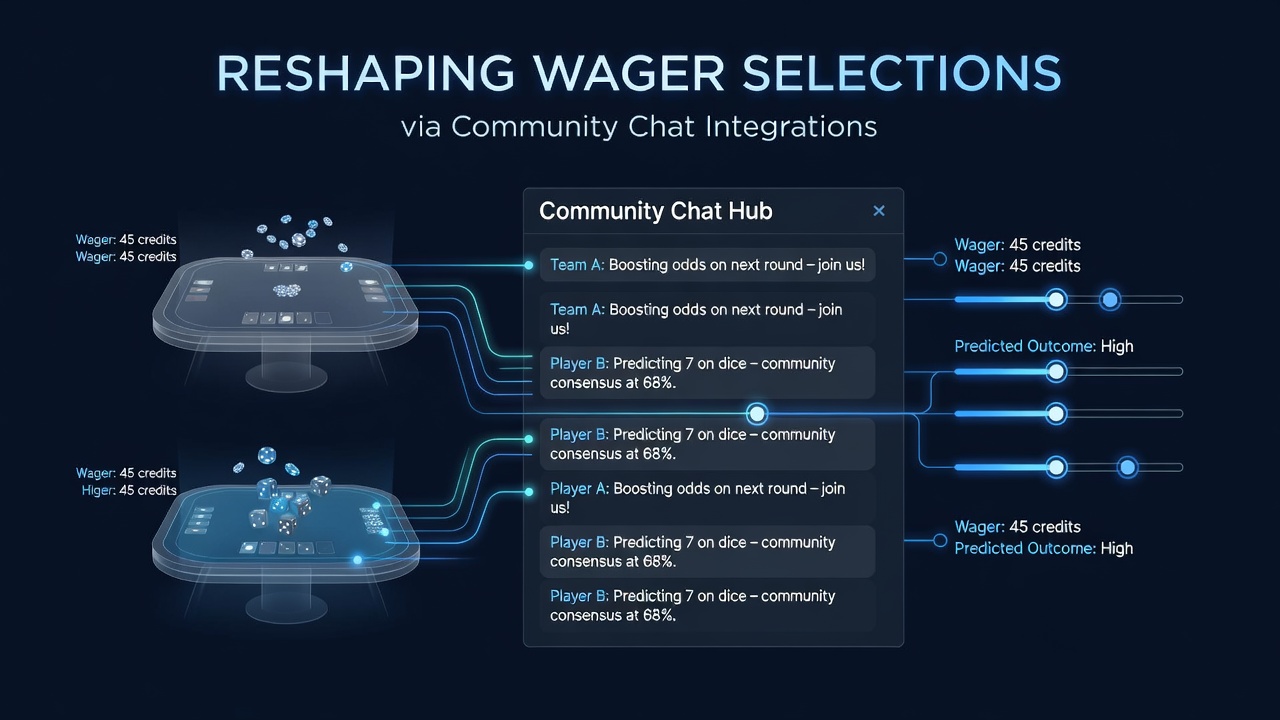
Community-driven chat integrations have become standard components in many paired virtual table platforms and prediction contest systems since the mid-2020s. These tools connect participants in real time during sessions where players join in matched pairs for games such as blackjack or roulette variants, while similar features operate in contest environments that focus on outcome predictions for sports or events. Data from platform analytics indicates that chat activity correlates with shifts in wager patterns, as users exchange observations and adjust selections based on group input.
Mechanics of Chat in Paired Virtual Tables
Paired virtual table sessions operate through synchronized interfaces that link two participants for each round, with chat windows embedded directly into the gameplay screen. Participants exchange messages about card distributions, probability calculations, and timing of bets while rounds progress. Research conducted by digital gaming analysts shows that when chat volume increases during a session, wager adjustments occur more frequently within the same round sequence. For instance, one dataset collected across European and North American servers in early 2026 revealed that 62 percent of paired sessions with active chat threads featured at least one bet modification per participant after message exchanges.
These adjustments often involve changes to bet amounts or selection of side wagers that were not initially chosen. Observers note that chat threads frequently highlight statistical patterns visible only after multiple rounds begin, prompting users to alter their approach mid-session. Platform operators have documented higher retention rates in rooms that maintain persistent chat logs, allowing participants to reference earlier discussions when selecting wagers in subsequent paired matches.
Influence on Prediction Contest Environments
Prediction contest platforms incorporate similar chat functions that aggregate user commentary around specific event outcomes. Participants post forecasts and supporting details drawn from external data sources, which then influence collective wager pools. Figures released by the Malta Gaming Authority in June 2026 indicated that contests featuring integrated chat recorded a 28 percent increase in pool contributions compared with non-chat versions during the same monitoring period. The data further showed that selections clustered around options discussed most frequently in the preceding 30 minutes before contest closure.
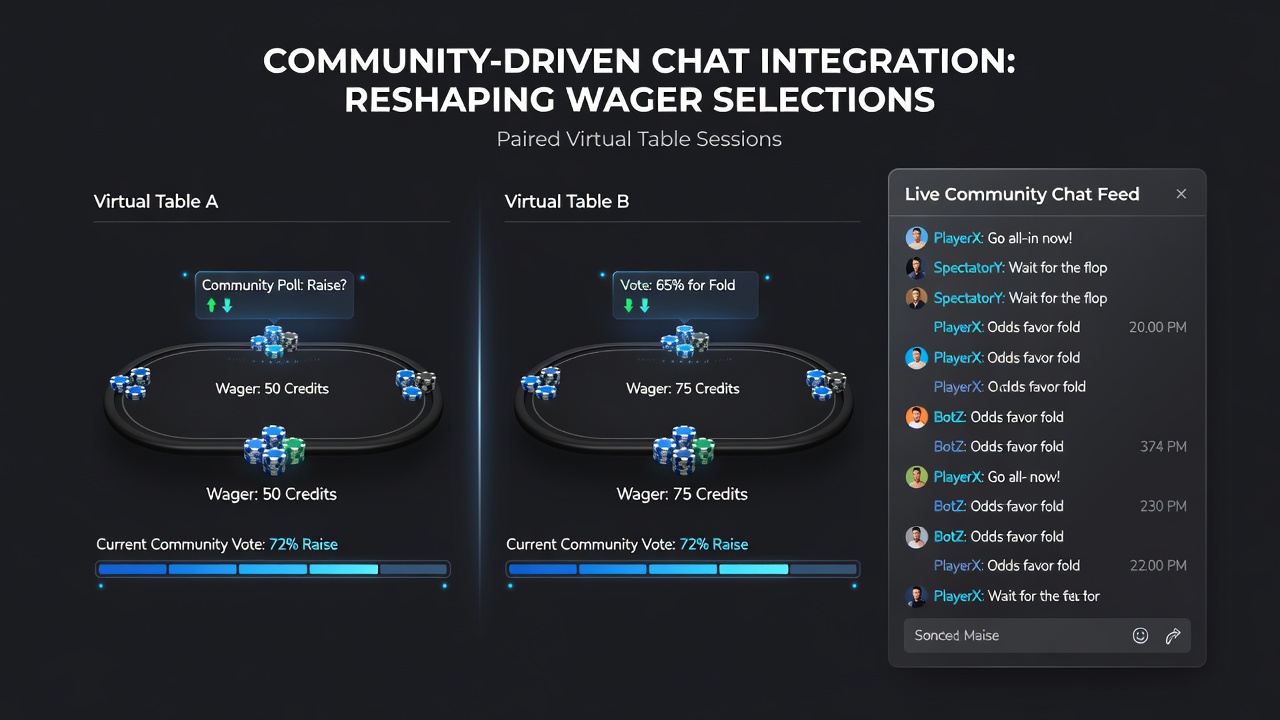
Contest organizers report that chat-driven consensus forms rapidly when multiple users reference the same external statistics or historical trends. This process leads to concentrated selections on certain outcomes rather than even distribution across all available choices. In July 2026, several major prediction platforms updated their systems to timestamp chat messages against wager timestamps, enabling clearer tracking of how discussion sequences precede selection changes. Those who analyzed the resulting logs found consistent patterns where high-engagement threads preceded larger shifts in pool allocations.
Regional Data Patterns and Platform Adaptations
Regulatory reports compiled across multiple jurisdictions document varying adoption rates for these chat features. A study published by the University of Sydney’s Gambling Research Unit in May 2026 examined user behavior across Australian-licensed platforms and found that chat integration increased the average number of wager modifications per session by 41 percent. The research tracked sessions over a six-month window and noted that paired table users responded more quickly to chat suggestions than participants in solo environments.
Platform providers have responded by introducing moderation tools and suggestion filters that highlight factual references while limiting unsubstantiated claims. According to records from the Nevada Gaming Control Board, operators implementing these filters observed stable wager volumes without corresponding spikes in dispute filings during the first half of 2026. The adaptations maintain session flow while still allowing community input to reach participants before final selections are locked.
Technical Implementation Across Systems
Developers integrate chat through API connections that sync message streams with wager interfaces in both paired table and contest modules. Real-time processing allows messages to appear alongside current odds or card states, reducing the time between discussion and action. Technical audits conducted in 2026 confirmed that latency under 800 milliseconds correlates with higher rates of observed wager adjustments in chat-enabled rooms. Systems that exceed this threshold show reduced correlation between chat volume and selection changes.
Prediction contest environments apply the same architecture but layer additional aggregation algorithms that summarize prevailing chat sentiment at set intervals. These summaries appear as optional overlays, giving participants a consolidated view without requiring them to read every message. Data collected from North American and Asian servers indicates that users who enable the summary feature adjust wagers at rates comparable to those who follow full threads.
Conclusion
Community-driven chat integrations continue to alter how participants approach wager selections in paired virtual table sessions and prediction contest environments. Platform data, regulatory filings, and academic analyses from 2026 document measurable shifts in timing, amount, and distribution of bets when chat activity is present. As systems evolve, operators and regulators track these patterns through timestamped logs and contribution metrics to maintain session integrity across regions.