Examining Correlations Between Urban Transit Expansions and Heightened Activity in Destination-Themed Virtual Table Games Across Expanding Metropolitan Networks
Written by Nils Butler · May 30, 2026
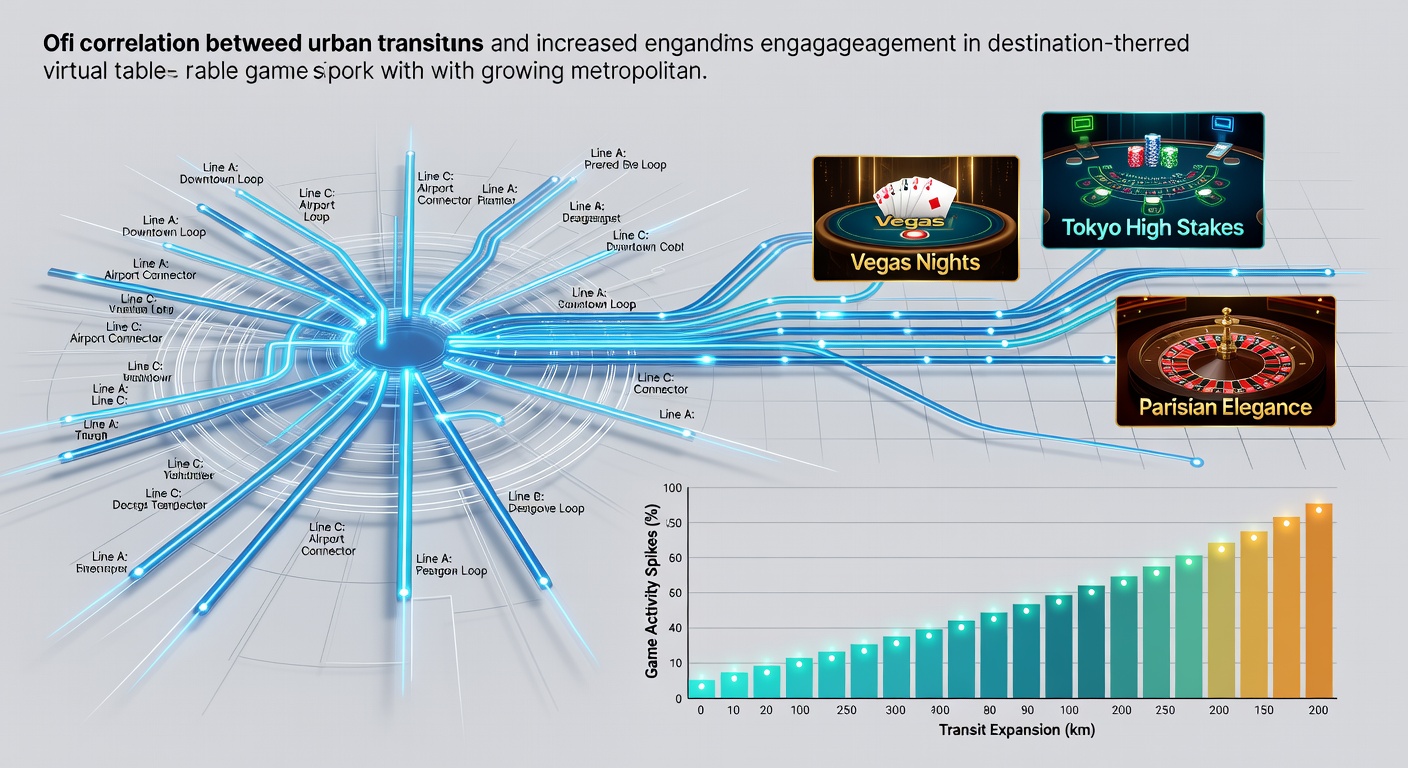
Examining Correlations Between Urban Transit Expansions and Heightened Activity in Destination-Themed Virtual Table Games Across Expanding Metropolitan Networks
Cities continue to extend rail lines and bus rapid transit corridors while destination-themed virtual table games show measurable upticks in player sessions along those same routes, and analysts track these movements through anonymized location data paired with gaming platform metrics. Metropolitan networks in North America and Asia have added thousands of kilometers of new track since 2023, and platform operators report corresponding rises in sessions for games featuring city skylines, metro stations, and landmark backdrops that mirror real-world expansions. Researchers compile ridership figures from transport agencies alongside session lengths and deposit patterns from gaming operators to map potential overlaps.
Transit Network Growth Patterns
Transit agencies in major hubs released expansion timelines that align with documented increases in virtual gaming participation, and data from the Federal Transit Administration shows new light rail segments in several U.S. regions opened between late 2024 and early 2026. These additions connect previously separate districts, and observers record higher volumes of mobile device activity during peak commuting windows in the weeks following each launch. Platform telemetry indicates that users in newly served neighborhoods initiate more sessions themed around destination hubs, with game variants incorporating local architecture and transit motifs seeing the largest share of playtime.
Virtual Table Game Activity Trends
Destination-themed virtual table games incorporate visual elements drawn from real metropolitan landmarks, and operators note that titles referencing specific transit corridors register elevated engagement after those corridors receive upgrades. Session data collected across multiple platforms reveals that average daily active users in expanding metro zones rose steadily through spring 2026, and May 2026 figures in particular reflected continued momentum in cities where new stations came online during the prior quarter. Analysts cross-reference these numbers with public transit ridership reports to identify clusters where both metrics moved in tandem.
Geographic Case Examples
One North American corridor that added express bus lanes in 2025 recorded a subsequent lift in virtual sessions for games styled after that city's waterfront terminals, and similar patterns appeared in Asian capitals where subway extensions reached outer boroughs. European networks that completed ring-line connections also showed parallel activity in destination variants featuring those same ring stations. Researchers at academic institutions have begun compiling multi-city datasets to test whether the timing of transit openings consistently precedes measurable shifts in themed game usage, and preliminary models control for seasonal factors and marketing campaigns.
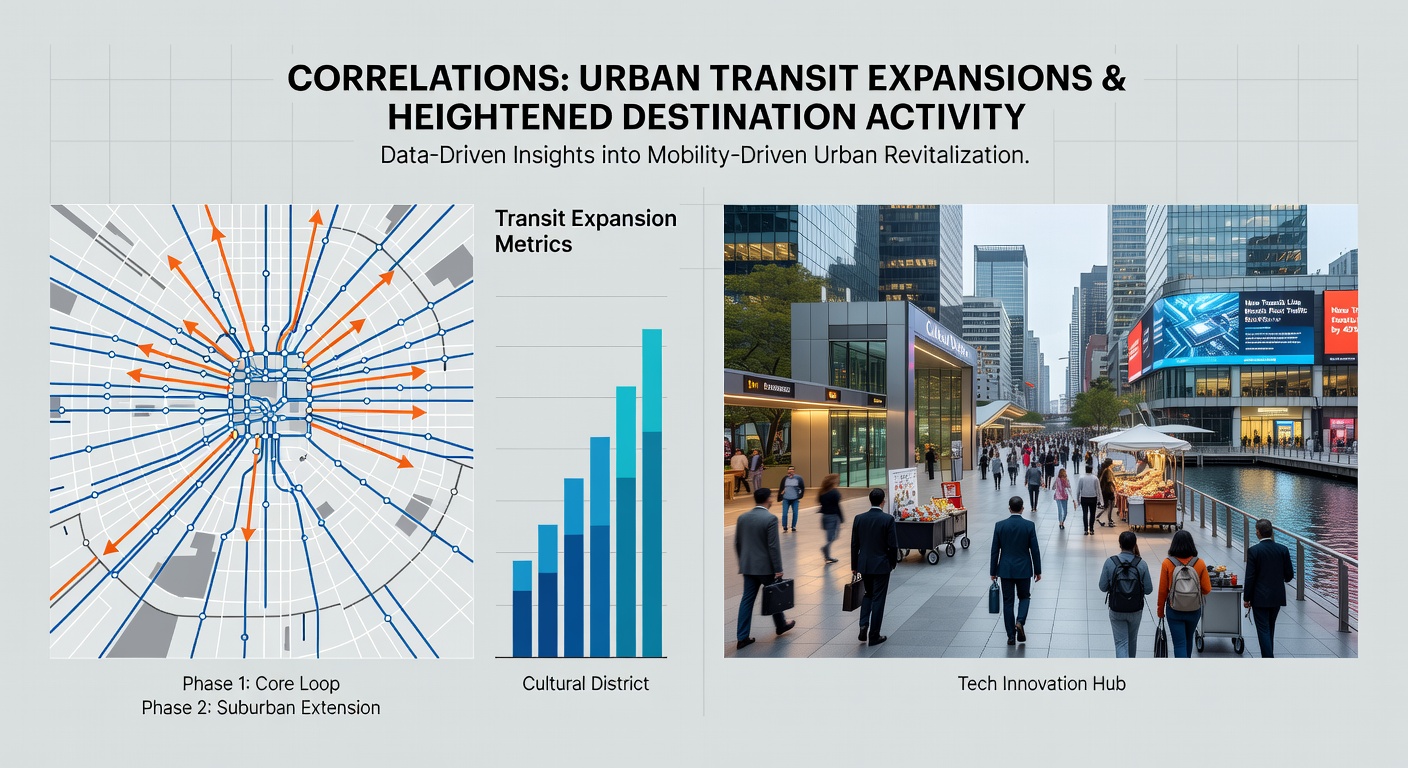
Data Collection and Analytical Approaches
Studies combine anonymized transit card records with aggregated gaming telemetry supplied by participating operators, and statisticians apply spatial regression techniques to isolate the effect of new stations on nearby player density. Reports from industry research groups indicate that correlation coefficients strengthen when analysis narrows to users whose devices register repeated activity within 500 meters of new transit stops. These methods avoid individual identification while highlighting broader movement patterns across expanding networks.
Additional variables under examination include broadband penetration rates in newly connected districts and the rollout of 5G coverage along transit routes, both of which coincide with higher mobile gaming volumes. Government statistical agencies in several countries publish monthly mobility indices that researchers overlay with gaming trend lines, and the resulting visualizations help isolate periods where transit changes and gaming activity diverge from baseline expectations.
Broader Network Effects
Transit expansions often coincide with commercial redevelopment around stations, and those developments bring increased foot traffic that correlates with higher evening and weekend gaming sessions in destination-themed titles. Observers note that games featuring interchangeable city modules allow players to switch between different metropolitan themes within a single account, and usage logs show players exploring new themes shortly after those real-world locations receive transit improvements. Trade associations representing both transport and digital entertainment sectors have started joint working groups to standardize data-sharing protocols that respect privacy regulations while enabling continued correlation research.
Conclusion
Current datasets through May 2026 establish observable temporal and spatial alignments between transit network growth and activity in destination-themed virtual table games, yet establishing direct causation requires further longitudinal work. Analysts continue refining models with additional variables such as ticket pricing changes and event-driven ridership spikes, and the resulting insights inform both urban planning projections and platform content scheduling across multiple regions.