Biometric Data Patterns Shape Deposit Timing Among Mobile Users in Reel Games and Live Tables
Written by Devon Roth · Jul 16, 2026
Biometric Data Patterns Shape Deposit Timing Among Mobile Users in Reel Games and Live Tables
Biometric Signals and Mobile Deposit Behaviors
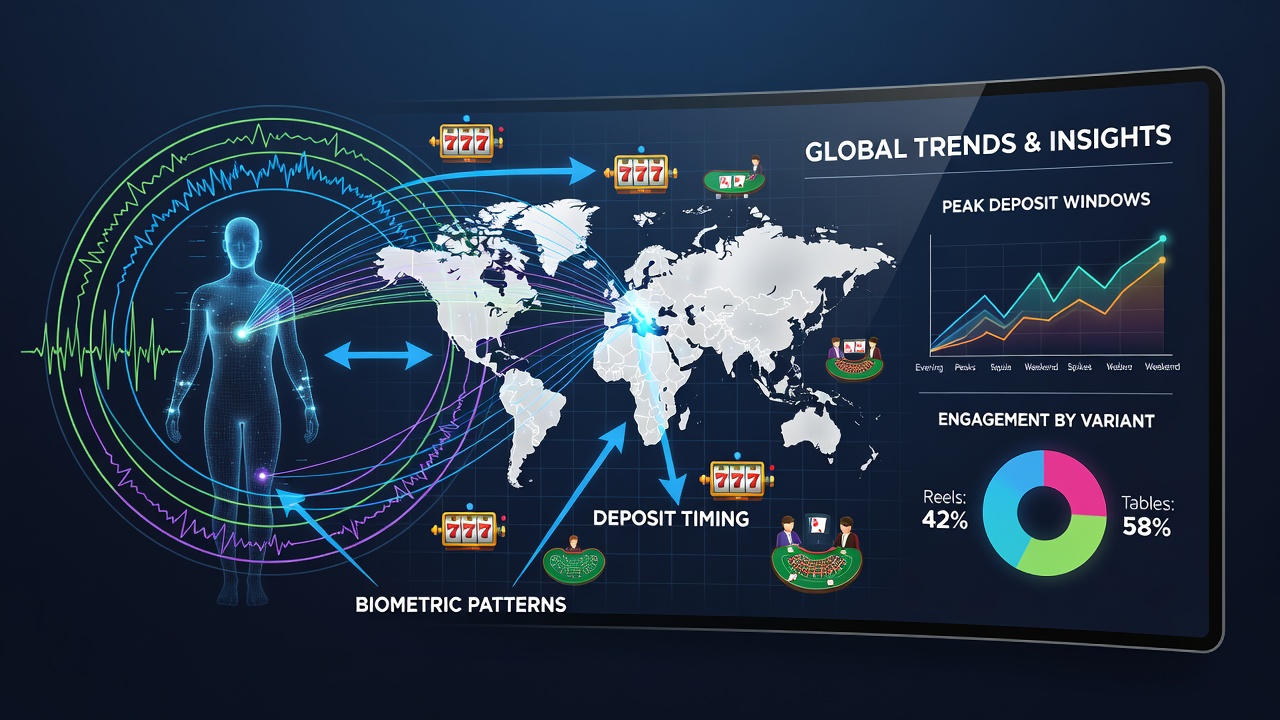
Portable device sensors now capture heart rate variability, skin conductance, and movement patterns that align with deposit activity across reel-based entertainment platforms and live table environments worldwide, and researchers track these signals through integrated health applications on smartphones and wearables. Data from device logs shows users often initiate deposits during periods of elevated heart rate following extended play sessions, while lower variability in breathing patterns correlates with earlier evening deposits in multiple regions. Studies conducted through 2026 indicate these physiological markers appear consistently among participants in North America, Europe, and Asia-Pacific markets where mobile gaming volumes continue to expand.
Reel-Based Entertainment Timing Trends
Reel game users demonstrate distinct deposit clusters tied to biometric feedback loops, and one analysis of transaction timestamps paired with wearable data reveals morning deposits frequently follow nights of reduced sleep duration tracked via accelerometer readings. Users in urban centers across Canada and Australia show heightened activity when step counts remain low during daytime hours, suggesting sedentary periods prompt quicker funding decisions during reel sessions. Figures from industry monitoring services reveal deposit spikes around 8 PM local time in several time zones coincide with post-work stress indicators measured through galvanic skin response on connected devices.
Live Table Variant Influences
Live table participants exhibit deposit patterns shaped by real-time biometric shifts during dealer interactions, whereas heart rate increases during high-stakes decisions often precede immediate top-ups within the same session. Observers note that global datasets collected through July 2026 highlight differences between blackjack and roulette users, with the former group showing deposits linked to sustained attention metrics from eye-tracking features in newer device models. European regulatory reports and North American operator summaries both document how these timing alignments vary by device type, with tablet users displaying smoother transitions compared to smartphone operators during live streams.
Worldwide Regional Variations
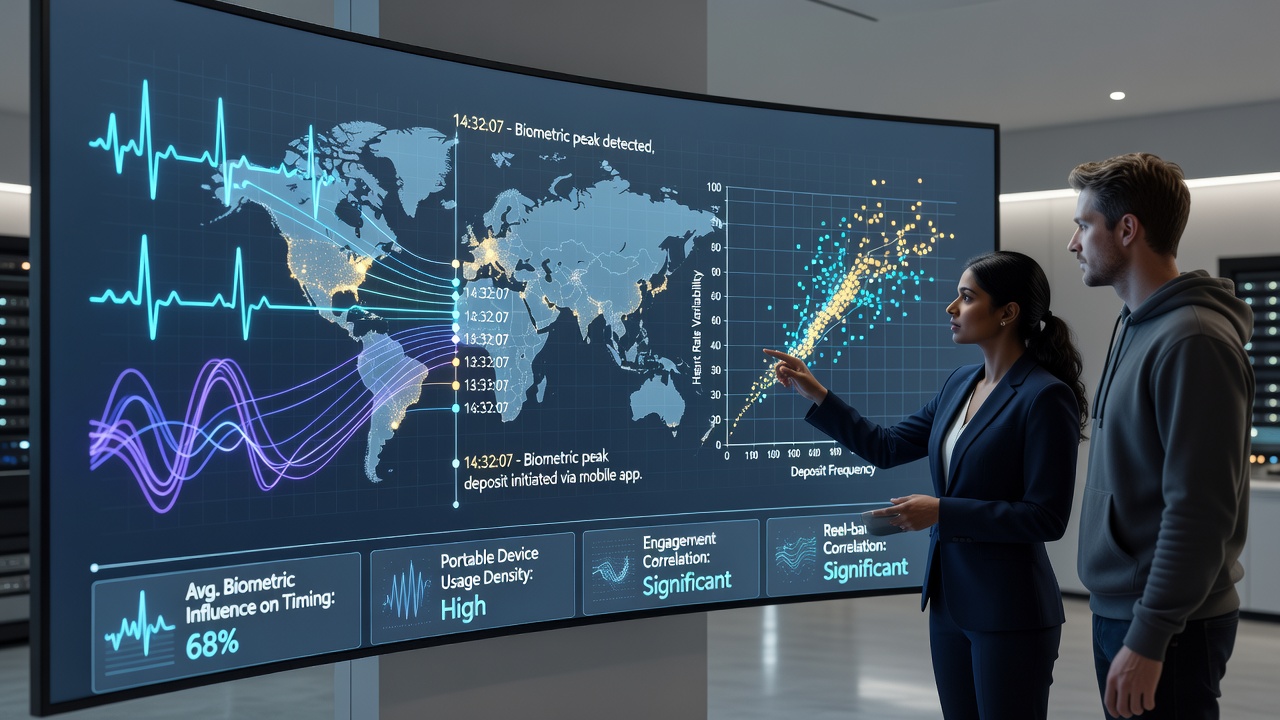
Geographic differences emerge clearly when biometric datasets are segmented by continent, and Asian markets display deposit activity that aligns more closely with circadian rhythm disruptions recorded through sleep tracking applications. In contrast, South American users show correlations between physical activity peaks and later-night deposits in both reel and table formats according to aggregated operator statistics. Research institutions in multiple jurisdictions continue compiling these cross-border comparisons, while the Government of Canada financial monitoring resources provide supplementary context on payment flow patterns that intersect with gaming timestamps.
Data Collection Methods and July 2026 Observations
Device manufacturers and gaming platforms integrate biometric APIs that log physiological data alongside transaction records, enabling precise mapping of deposit triggers without direct user input in many cases. Through July 2026, updates to mobile operating systems have expanded access to continuous monitoring features, resulting in richer datasets that capture micro-variations in stress levels during live dealer transitions. Academic collaborations with gaming associations have produced peer-reviewed papers examining these links, and one project based at a European research center identified consistent 15- to 20-minute windows between biometric spikes and deposit confirmations across sampled populations.
Cross-Platform Interactions
Users frequently switch between reel-based entertainment and live table variants on the same device, and biometric continuity across these switches reveals how residual arousal from one format influences funding choices in the other. Platform analytics indicate that elevated skin temperature readings during reel bonus rounds often carry over into quicker deposits when users enter live environments shortly afterward. Trade group publications from the European Gaming and Betting Association document similar patterns in aggregated European data, highlighting the role of sensor fusion in modern portable hardware.
Conclusion
Biometric integration continues to refine understanding of deposit timing across global mobile gaming ecosystems, and ongoing data collection through device networks supplies operators and researchers with expanding evidence of physiological correlations. Patterns observed in reel entertainment and live table variants demonstrate measurable connections between sensor outputs and user actions that persist across diverse markets and device types. These findings support further examination of timing dynamics as monitoring capabilities advance into subsequent periods.