Biometric Authentication Trends Reshaping Mobile Slot Deposits and Live Dealer Verifications
Written by Parker Braun · Jul 20, 2026
Biometric Authentication Trends Reshaping Mobile Slot Deposits and Live Dealer Verifications
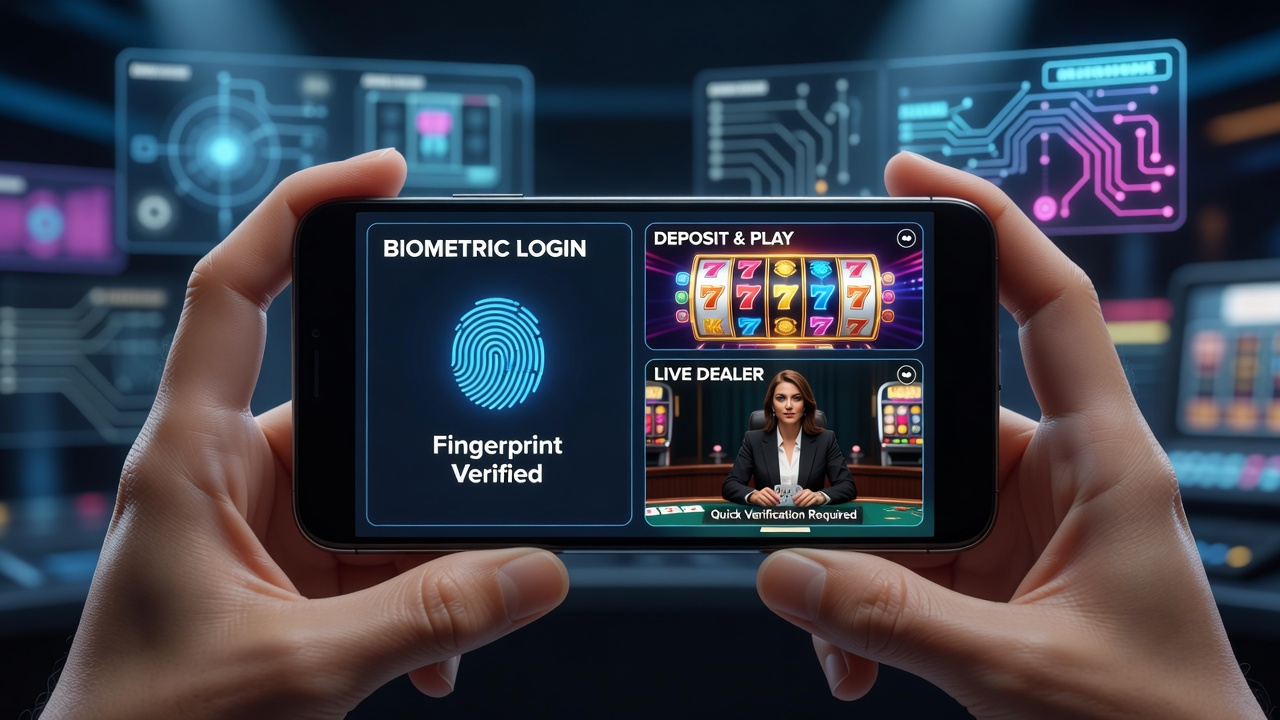
Biometric login systems including fingerprint scans and facial recognition have gained traction across mobile slot platforms since early 2025, and this change has begun to streamline deposit flows for users who also engage live dealer tables that demand rapid identity checks. Platform operators report that adoption rates climbed steadily through the first half of 2026, with many sites integrating these tools directly into payment gateways so that verification occurs in one continuous motion rather than separate steps.
Platform Integration Patterns Emerging in 2026
Operators have paired biometric prompts with existing wallet features so that a single scan authorizes both login and a deposit transfer, cutting the sequence from several screens to one or two. Data compiled by industry tracking services shows that sessions involving live dealer blackjack or roulette now complete identity confirmation in under eight seconds on average when biometrics replace manual entry of codes or passwords. This adjustment matters because live tables pause briefly for verification before cards are dealt, and any delay can interrupt the flow of play.
Deposit Flow Adjustments Across Slot Ecosystems
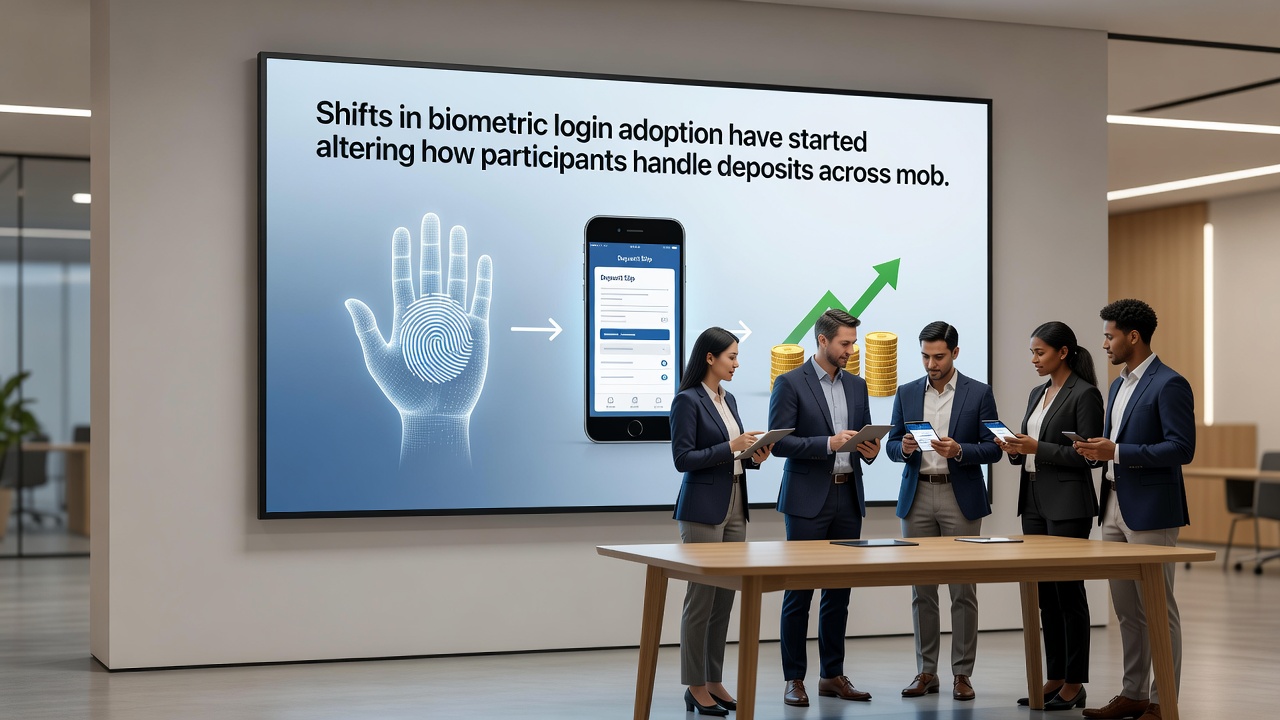
Users handling deposits on mobile slot platforms encounter fewer interruptions once biometric defaults are active, since the system pulls payment details from a pre-linked account without requiring re-entry of card numbers or bank codes. In regions where digital wallets dominate, the combination allows instant top-ups during bonus rounds or tournament entries, while traditional card processors still route through the same biometric gate for consistency. Observers note that July 2026 figures from several major networks indicate a 17 percent reduction in abandoned deposit attempts compared with the same month in 2025, attributing the drop to the removal of repeated authentication layers.
Live Dealer Verification Requirements and Biometric Synergies
Live dealer environments add an extra layer because regulators often mandate visible confirmation that the participant matches the registered profile before high-stakes rounds begin. Biometric systems satisfy this by matching the live facial scan against the stored template within the app itself, bypassing the need to upload new documents mid-session. One platform operating across multiple jurisdictions reported that average wait times for table entry fell from 45 seconds to 12 seconds after rolling out facial recognition tied to deposit authorization. The same infrastructure supports slot play, allowing seamless movement between automated reels and staffed tables without separate logins.
Regional Adoption Differences Documented Mid-2026
North American markets show higher uptake of fingerprint-based logins tied to deposit functions, whereas European operators lean toward facial recognition because of existing device hardware preferences. Australian platforms have incorporated both options alongside regulatory-mandated cooling-off periods, and Australian Communications and Media Authority statistics released in June 2026 reflect a measurable uptick in verified mobile transactions. Canadian provincial regulators have begun pilot programs that link biometric deposit approvals to responsible gaming limits, creating a single point where spending caps and identity checks intersect.
Security Protocols Supporting the Transition
Encryption standards applied to biometric templates keep raw images off company servers, storing only mathematical representations that cannot be reversed into photographs. This architecture meets requirements set by various data-protection frameworks while still permitting quick matching during live dealer entry sequences. Payment processors have updated their APIs so that a successful biometric match triggers both the identity flag and the fund transfer in one encrypted packet, reducing the number of external calls that could introduce latency.
Future Infrastructure Considerations
Device manufacturers continue to refine sensor accuracy for low-light conditions and partial fingerprint reads, which supports outdoor play sessions common among mobile users. Operators anticipate that by late 2026 additional layers such as behavioral biometrics will layer on top of existing physical checks, further tightening verification without adding visible steps. The current trajectory points toward unified authentication that covers both slot deposits and live dealer access across an expanding range of jurisdictions.
Conclusion
Biometric login adoption continues to compress the steps between account access, deposit completion, and live dealer entry on mobile slot platforms. The technical and regulatory pieces have aligned enough by July 2026 to produce measurable efficiency gains in verification speed and transaction success rates, with distinct regional preferences shaping which biometric method dominates each market. Ongoing hardware improvements and API refinements suggest the pattern will extend further into combined slot and table environments.